
What is a personal trainer course?
A personal trainer course turns an interest in fitness into a structured foundation for coaching other people. It brings together exercise science, movement skills, client communication and programme design. The aim is more than learning exercises: you learn how to explain them, choose appropriate starting points and adjust a plan as a client develops.
If you enjoy the gym, the next step is learning to think like a coach. Your own training preferences may not suit someone who is new to exercise, has limited time or needs a different approach. A useful course teaches you to ask better questions and support progress without promising unrealistic results. This guide explains what to compare before enrolling and how to build skills beyond the certificate.
Who should consider becoming a personal trainer?
Fitness enthusiasts, gym instructors and people changing careers can all explore personal training education. Experienced lifters may already feel comfortable with equipment, but coaching requires a separate set of abilities. Beginners can also build these skills through a suitable entry programme, consistent study and supervised practice. Ask the academy about entry requirements rather than assuming every certification has the same eligibility rules.
Think about the work you want to do. Would you prefer coaching in a gym, delivering online sessions or working with small groups? Do you enjoy listening, explaining and keeping records? A personal trainer spends time planning, communicating and reviewing progress as well as demonstrating movements. Understanding that daily routine helps you choose a course for the career you actually want.
What should the syllabus cover?
A well-rounded personal trainer course should connect theory with decisions on the gym floor. Look for anatomy and physiology, exercise technique, basic biomechanics, training principles and client assessment. The syllabus should explain how to organise sessions and how to select exercises around goals, experience, equipment and available time. Ask for a written curriculum so you can compare modules rather than marketing labels.
Programme design deserves particular attention. You should learn how to build a realistic starting plan, record training, review feedback and make sensible adjustments. Communication, professional conduct and working within your qualifications also belong in the curriculum. General nutrition education can support coaching conversations, but it should not be presented as permission to diagnose conditions or provide clinical treatment. A responsible programme makes professional boundaries clear.
Do not judge a course only by the number of topics on a brochure. Ask how those topics are taught and assessed. A module title such as client assessment becomes meaningful when learners practise gathering information, interpreting it within their role and explaining the next step. That connection between knowledge and application is what makes education useful.
Why practical training matters
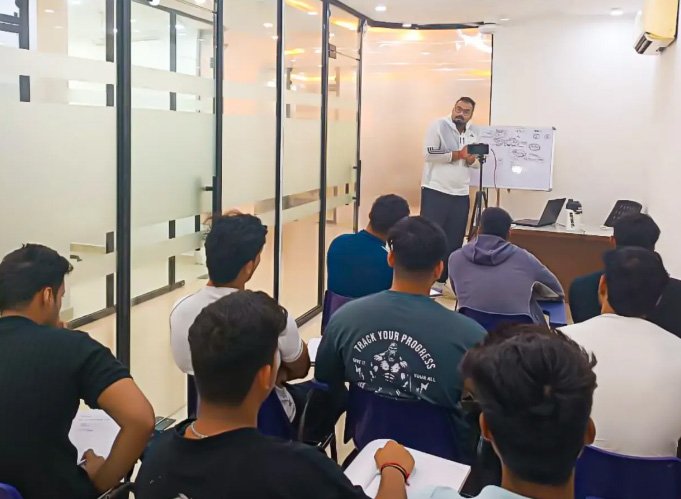
Reading about a movement and teaching it are different experiences. Practical training gives you opportunities to demonstrate exercises, observe technique, explain cues and adapt an explanation when a learner does not understand. Supervised feedback helps you identify habits that self-study can miss. When comparing academies, ask how much practice is scheduled and whether every student receives feedback.
Request an example of a practical session. Does the instructor demonstrate first? Do students coach one another? Are there opportunities to plan and deliver a short session? Ask whether practical assessment tests coaching ability rather than attendance alone. A large exercise library can be useful, but repeated practice with clear feedback often matters more than collecting exercise names.
Build a learning portfolio as you study. Keep sample programmes, session reflections and feedback notes without including private client information. Record what you changed and why. This helps you prepare for interviews and gives you evidence of your learning process. It also encourages the habit of reviewing your work instead of repeating the same approach automatically.
Online or classroom learning: which fits your routine?
An online personal trainer course can make theory study easier to fit around work, travel and family commitments. Classroom learning can provide direct interaction and a regular study routine. A blended format may combine online teaching with practical sessions. The right choice depends on how you learn, where you live and whether you can attend the required assessments.
Before paying, confirm the timetable, attendance expectations, recording access and practical arrangements. Ask how questions are answered between classes and what happens if you miss a session. Online learning should still offer a clear route to demonstrating practical skills. Classroom study should also include organised learning materials and a way to revise outside the teaching room.
If you are searching for a personal trainer course in Delhi or another city, consider travel time as part of the commitment. A convenient location is valuable only if the course also meets your learning needs. For remote students, check the internet, equipment and assessment requirements before deciding. Choose a format you can follow consistently through to completion.
How to compare certifications and recognition
Course completion, an awarding-body qualification and a professional registration are different things. Ask exactly who issues each certificate and what you must complete to receive it. If a programme mentions ISSA, ACE, NASM, REPS India or another organisation, request the specific pathway, examination requirements and any separate charges. A familiar logo alone does not answer those questions.
Recognition can vary by employer, qualification and destination. If you plan to work abroad, check the requirements of the country and employers you are targeting before enrolling. Confirm relevant details directly with the awarding organisation or professional register. Avoid assuming that one certificate automatically permits work everywhere or guarantees a job.
Compare programmes on teaching quality as well as the credential. Ask who teaches, how learners are assessed and what support is available when they struggle. Keep copies of written course information and the fee breakdown. Clear answers at the enquiry stage help you understand what you are buying and reduce confusion later.
Personal trainer course fees: compare the complete cost
There is no single price that describes every personal trainer course. Costs depend on the programme, learning format, awarding pathway, teaching support and included services. Ask for a written quotation with tuition, examinations, study materials and any registration charges separated. Check whether practical sessions are included and whether resits or extensions have additional fees.
If instalments are available, confirm the payment dates and terms before admission. Ask about cancellation, refund and transfer policies, and clarify whether promotional prices have conditions. Compare the complete cost of finishing the programme, rather than only the initial payment. This makes it easier to choose a course within your budget without overlooking essential expenses.
At Active Aid Fitness Academy, request the current programme-specific quotation through the admissions team. Fees and inclusions should be confirmed for your chosen course and batch. A package that suits one student may not match another student's qualification goal. Use the consultation to compare the options in writing and understand the commitments involved.
Career options after completing your course
Personal training education can support a move towards gym-based coaching, independent training, online coaching or group fitness work, depending on your qualifications and experience. Your first role may involve assisting experienced trainers and learning the systems of a fitness facility. That experience can help you develop professional routines alongside your technical skills.
Employers may assess your communication, practical ability, reliability and willingness to learn. Prepare a clear CV and a small portfolio of sample coaching work. Practise explaining a session plan in plain language. Be ready to discuss how you would respond when a client cannot follow the original plan, rather than only listing exercises you know.
Income varies with location, employment arrangements, experience and the clients you serve. Neither a course nor a certificate guarantees a salary or placement. Ask what career support actually includes: interview preparation, introductions, internship opportunities or job listings. Treat that support as one part of your preparation, alongside consistent practice and continuing education.
Choosing a personal trainer course at AAFA
Active Aid Fitness Academy offers fitness education pathways and course counselling for students exploring personal training and related specialisations. Start with your career goal and ask the team which programme matches it. You can review the personal trainer course, diploma and advanced personal trainer pages, then discuss the qualification route and practical requirements relevant to you.
During counselling, request the current syllabus, batch schedule, teaching format, assessment plan and fee breakdown. Ask which certificates are included and which examinations or registrations require separate steps. If you need English or Hindi support, confirm how that support is provided for your chosen batch and learning materials.
Compare the written information with your available study time and budget. A useful admissions conversation should leave you knowing what happens next, what you must complete and where to ask for help. Choose the programme because it fits your learning goals, rather than because a headline promises fast success.
Your next steps before admission
Shortlist the programmes that match your goals and request the same information from each provider. Compare practical access, instructor feedback, assessment requirements and the full cost. Speak with the admissions team about anything unclear. Where possible, ask to understand the teaching approach before committing and check the current timetable for the batch you want.
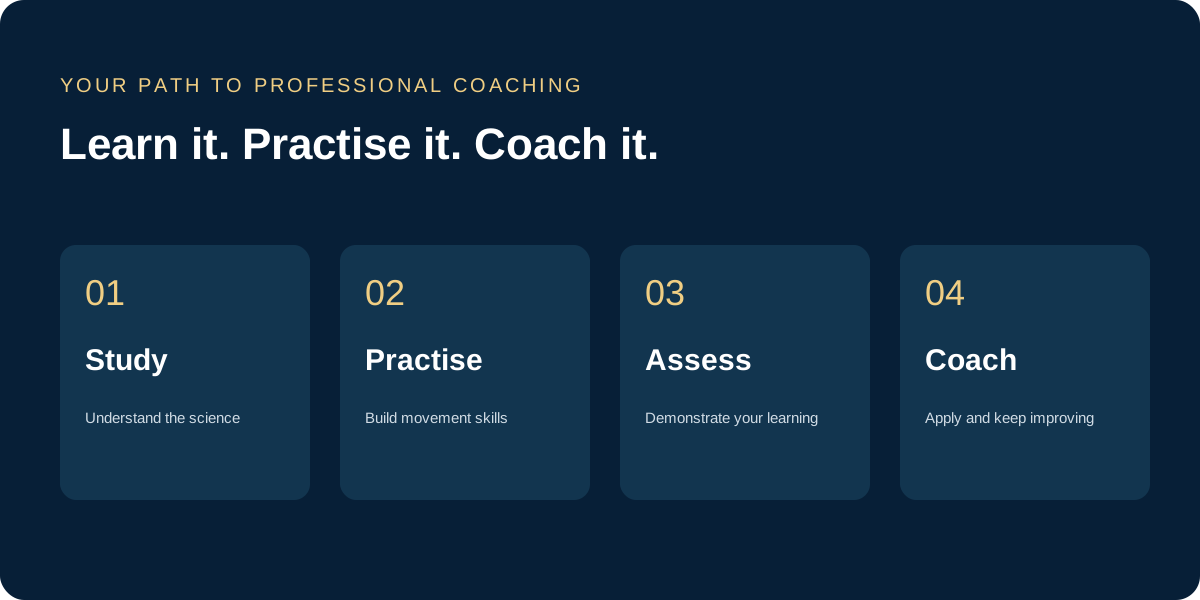
After enrolling, create a weekly study plan and make practical revision part of it. Review the science, practise explaining concepts and ask for feedback early. Completing a personal trainer course is a starting point for professional development. The strongest foundation comes from combining structured education with responsible coaching practice and a commitment to improving over time.
Frequently asked questions
Can beginners join a personal trainer course?
Many introductory pathways welcome beginners, but eligibility differs between programmes and awarding bodies. Confirm the age, education and other requirements for your chosen option before applying.
Can I study while working?
Online or weekend formats may help, provided you can meet attendance, practical and assessment commitments. Ask for the full batch timetable and study expectations before choosing a format.
Does a course guarantee a job?
No. Career support may help you prepare and find opportunities, but employment depends on qualifications, skills, vacancies and employer decisions. Request a clear explanation of the support provided.
How do I get the latest AAFA course details?
Visit the course pages or contact the academy for the current brochure, schedule and fee quotation. Confirm the details for your specific programme before making a payment.
Find your next step in fitness education
Ask AAFA for the current syllabus, batch schedule and full fee breakdown for your chosen personal trainer course.
Speak to the admissions team →